
Why Sloped-Bottom Fiberglass Tanks Improve Drainage Efficiency
Efficient drainage is critical in many industrial and aquaculture applications. Poor tank drainage can lead to sediment buildup, contamination risks, and increased cleaning time. One design feature that significantly improves tank performance is the use of sloped bottom fiberglass tanks.
By incorporating a controlled slope at the bottom of the tank, operators can achieve more efficient water flow, faster cleaning, and improved system reliability.
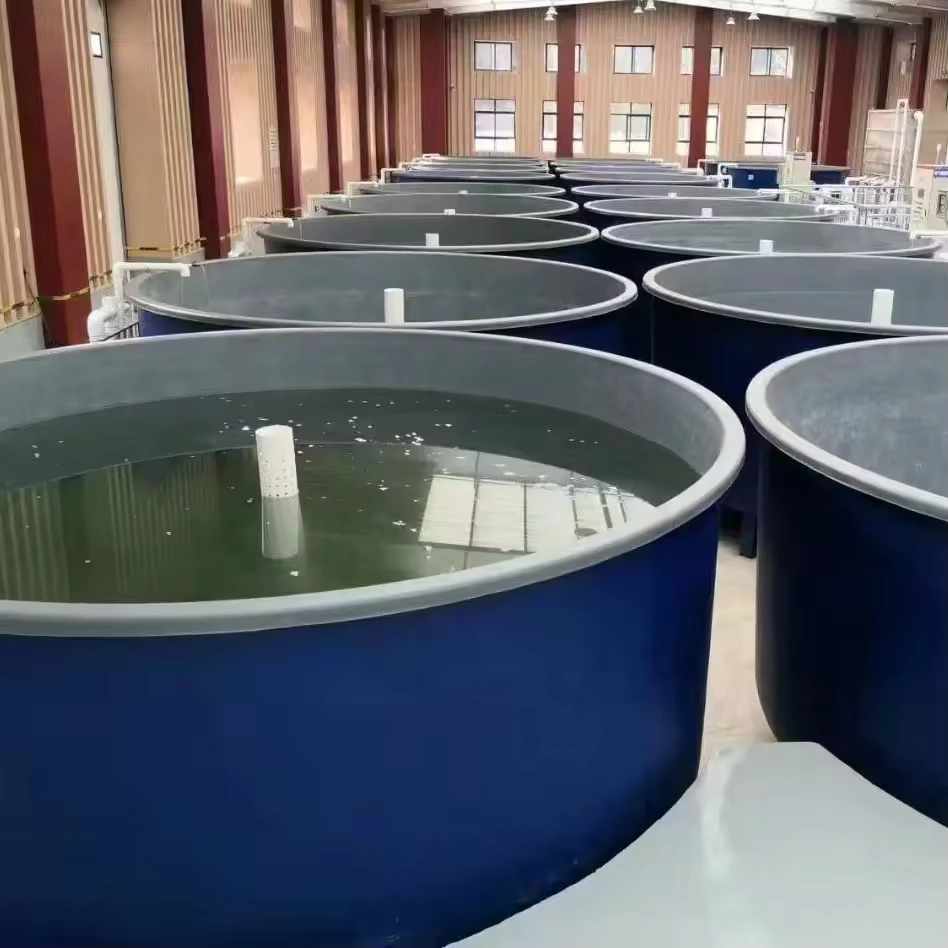
How Sloped Bottom Design Works
A sloped-bottom tank is engineered so that the interior floor gradually angles toward a central or side drain. This design allows gravity to assist with moving liquids and solids toward the outlet.
Instead of allowing debris to settle evenly across a flat surface, the slope encourages materials to collect in one location where they can be easily removed.
This simple geometric change dramatically improves operational efficiency.
Reduced Sediment Accumulation
In tanks with flat bottoms, solids tend to settle across the entire floor area. Over time, this creates buildup that requires frequent manual cleaning.
Sloped-bottom fiberglass tanks help solve this issue by guiding solids toward the drainage outlet. This allows operators to remove waste more effectively without needing extensive cleaning procedures.
This feature is especially beneficial in aquaculture systems where organic waste must be removed quickly to maintain water quality.
Faster and More Complete Drainage
rainage speed is another major advantage. When tanks are emptied, the sloped floor ensures that liquid flows directly toward the outlet instead of pooling in low areas.
Benefits include:
Faster draining during maintenance
Less leftover water after emptying
Reduced risk of stagnant liquid
These improvements contribute to a more hygienic system and smoother operational cycles.
Improved Water Circulation
In many aquaculture and filtration systems, proper water circulation is essential for maintaining healthy conditions.
The sloped interior encourages circular flow patterns that move particles toward the drain. This helps maintain cleaner water and reduces the chance of dead zones where debris can accumulate.
Structural Advantages of Fiberglass Construction
Fiberglass tanks are particularly well suited for sloped-bottom designs because the material can be molded into complex shapes without compromising structural strength.
Fiberglass offers:
Corrosion resistance
Smooth interior surfaces
Long service life
Low maintenance requirements
These properties make fiberglass tanks ideal for applications that demand reliable drainage and durability.
Applications That Benefit from Sloped-Bottom Tanks
Sloped-bottom fiberglass tanks are commonly used in:
Aquaculture systems
Fish hatcheries
Wastewater treatment facilities
Industrial process tanks
Agricultural water management systems
In these environments, efficient waste removal and fluid movement are essential for system performance.
The design of a tank’s bottom plays a major role in overall system efficiency. Sloped bottom fiberglass tanks provide superior drainage, improved cleanliness, and reduced maintenance compared to flat-bottom alternatives.
For facilities that rely on consistent water quality and efficient operations, choosing a sloped-bottom tank can make a significant difference in long-term performance.
If you’re exploring tank designs for your next project, we can help ensure the tank geometry matches your operational needs. Contact us for a free consultation.