
How Resin Selection Impacts the Performance of Fiberglass Tanks
When specifying industrial storage solutions, most buyers focus on dimensions, thickness, and fittings. However, one of the most critical performance factors in fiberglass tanks is often overlooked: resin selection.
Proper fiberglass tank resin selection directly influences chemical resistance, temperature performance, structural integrity, and long-term durability.
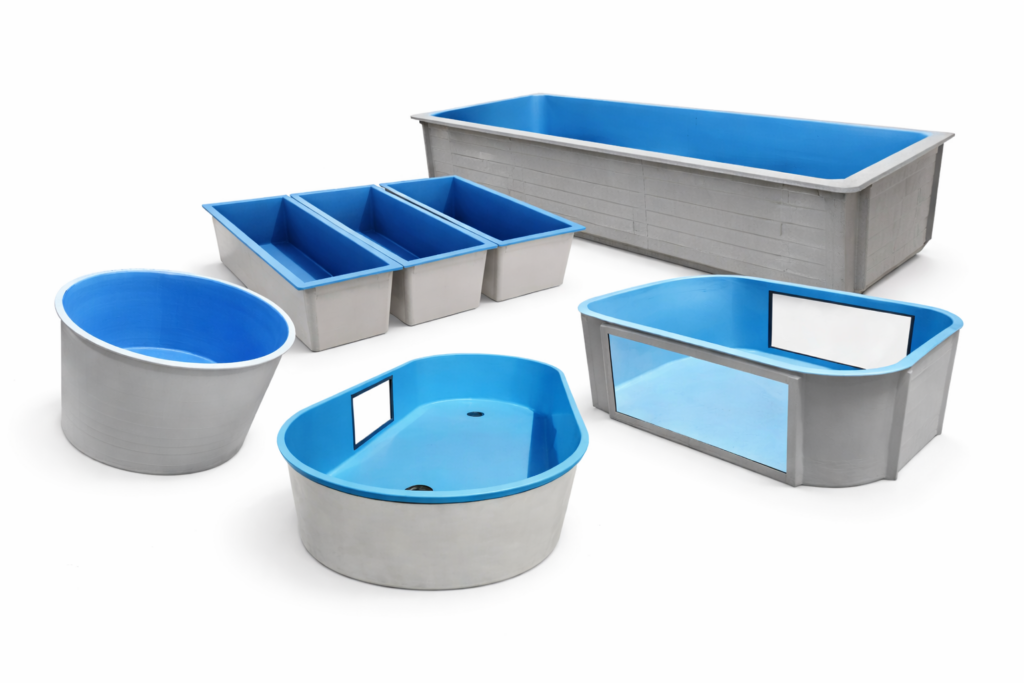
Why Resin Matters in Fiberglass Construction
Fiberglass tanks are composite structures made from reinforcing fibers and a thermosetting resin matrix. While the fiberglass provides structural strength, the resin provides:
Chemical resistance
Environmental protection
Temperature tolerance
Corrosion protection
In chemical storage applications, the resin acts as the primary barrier between stored media and the structural laminate.
Temperature and Chemical Compatibility
Improper resin selection can lead to:
Blistering
Softening of internal surfaces
Premature laminate degradation
Structural compromise
Resin systems must be evaluated against:
Stored chemical concentration
Operating temperature
Exposure duration
Venting conditions
This evaluation ensures the inner corrosion barrier performs as intended throughout the tank’s lifecycle.
Common Resin Types Used in Fiberglass Tanks
1. Polyester Resin
Polyester resins are widely used for general-purpose applications. They offer cost efficiency and good mechanical strength but are typically limited in aggressive chemical environments.
Best suited for:
Water storage
Mild chemicals
Agricultural applications
2. Vinyl Ester Resin
Vinyl ester resins provide enhanced corrosion resistance and improved thermal stability compared to polyester.
Ideal for:
Acids and caustic chemicals
Wastewater systems
Higher temperature environments
3. Epoxy-Based Systems
For highly specialized applications requiring superior adhesion and resistance, epoxy systems may be selected. These are typically used in custom-engineered industrial tanks.
Lifecycle Cost Considerations
Choosing a lower-cost resin for a demanding chemical application may reduce upfront expense but significantly increase long-term maintenance and replacement risk.
Strategic fiberglass tank resin selection protects:
Capital investment
Facility uptime
Regulatory compliance
Operational safety
Engineering Collaboration Is Critical
Resin selection should never be an afterthought. It must be determined during the design phase, in coordination with engineers and manufacturers who understand industrial process requirements.
Working with an experienced U.S. manufacturer like us (Aquatank Solutions) ensures the selected resin system aligns with application demands and regulatory expectations. Contact us for consultation.